My brother changed the locks on Dad's workshop before the funeral flowers had wilted.
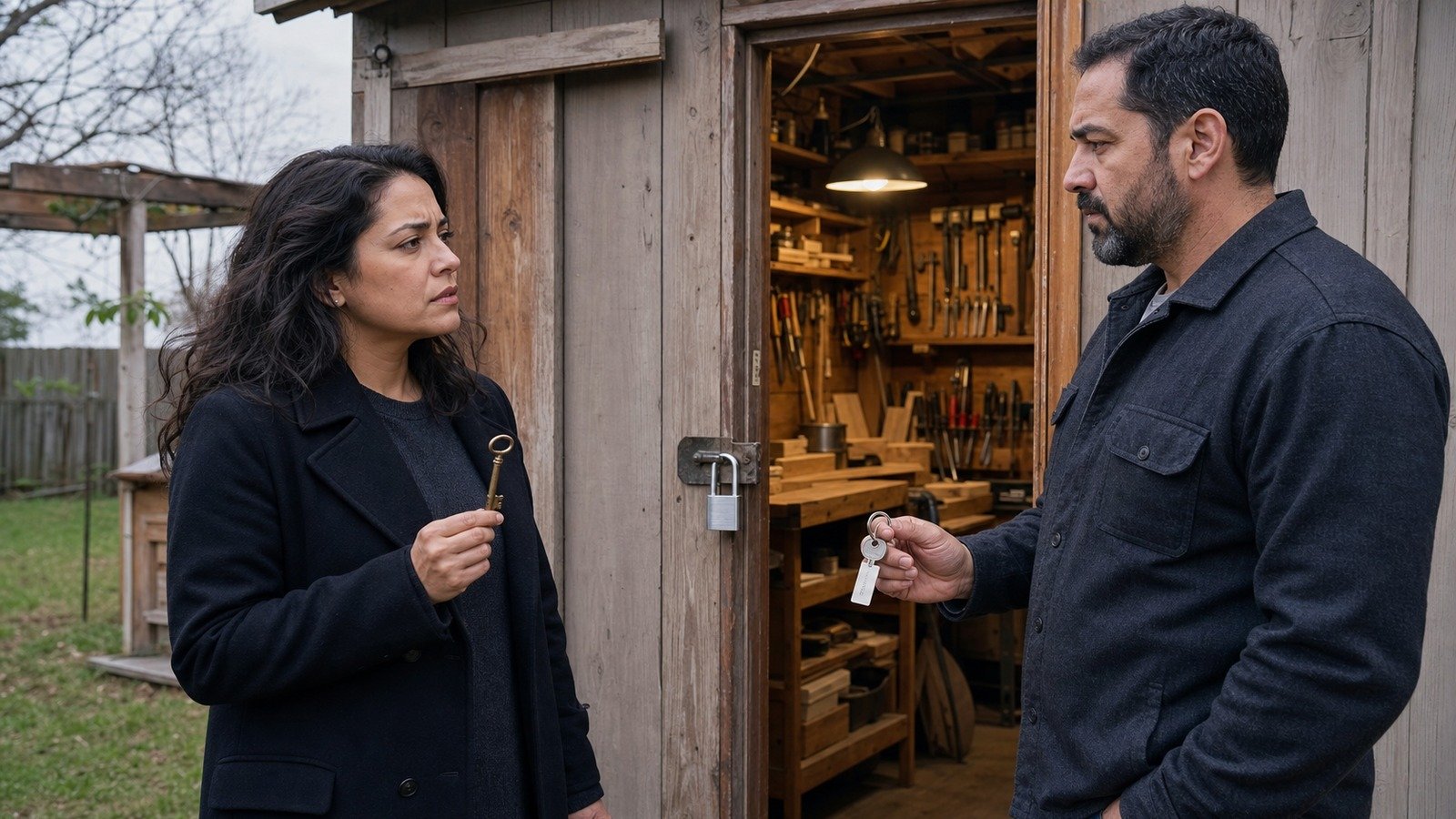
I discovered it on the Tuesday after the service. I had driven to the old house to find the cherry boards Dad promised for the bookshelf in my daughter's room. The brass key on my ring stopped halfway into a new silver lock. Through the dusty window, I could see Dad's workbench, his red tool chest, and empty rectangles on the wall where three hand planes had hung.
I called my brother, Marcus. He answered on the fourth ring and said, "I was going to explain."
People say that when the explanation should have come before the action.
Dad's will divided the estate equally. The house would be sold. Personal belongings were supposed to be inventoried before either of us removed anything. Marcus knew this because he was the executor, a role Dad gave him after I moved two states away. I had accepted that choice because Marcus lived ten minutes from the house and handled most of Dad's appointments during his final year.
Standing outside the locked workshop, I wondered whether I had mistaken access for trustworthiness.
Marcus arrived in his truck carrying a paper grocery bag. He would not hand me the new key. Instead, he unlocked the door and asked me not to touch anything until he finished an inventory.
"Where are the hand planes?" I asked.
"Not part of the estate."
Dad owned those planes for forty years. One had belonged to our grandfather. Marcus said Dad sold them, along with the lathe and several clamps, to Luis Ortega, a cabinetmaker who rented the back half of the workshop. I knew Luis helped Dad with heavy work, but I had never heard of a sale.
Marcus pulled a stained envelope from the grocery bag. Inside was a handwritten agreement dated eleven months earlier. It listed eighteen tools and a price far below what Dad could have received at auction. Luis would pay monthly, and the final payment would transfer ownership. Only four payments were recorded.
"Dad was sick," I said. "You let someone make him sign this?"
Marcus flinched at the word let. He said Dad wrote the agreement before his diagnosis became serious. Luis had kept the workshop open when Dad could no longer manage orders. The low price recognized years of unpaid help.
The story was plausible. It was also exactly the kind of story an executor could use to move valuable property before his sister arrived.
I photographed every page and asked where the missing tools were. Marcus said Luis had taken them to a commercial job for safekeeping after someone tried the workshop door the night of the funeral. That was why Marcus changed the locks.
"Someone tried the door, so you removed my access?"
"I removed every old key from access. Mine too. This is the executor's key."
He held up a ring with a numbered plastic tag, as if procedure could erase the fact that he created it alone.
I called the probate attorney from the driveway. She confirmed that securing property after an attempted entry was reasonable, but she had not approved moving tools or excluding a beneficiary from the inventory. She scheduled a meeting for the next morning and told both of us to bring every record.
Luis arrived before we did. He carried Dad's green ledger and a metal cash box. He looked more frightened than defensive.
The ledger showed monthly payments, but the dates did not match the handwritten agreement. Two payments had been made before the listed sale date. Another entry was labeled "M repair," not "tools." The cash box contained receipts for lumber, machine parts, and an envelope with Marcus's name.
I thought I had found the proof.
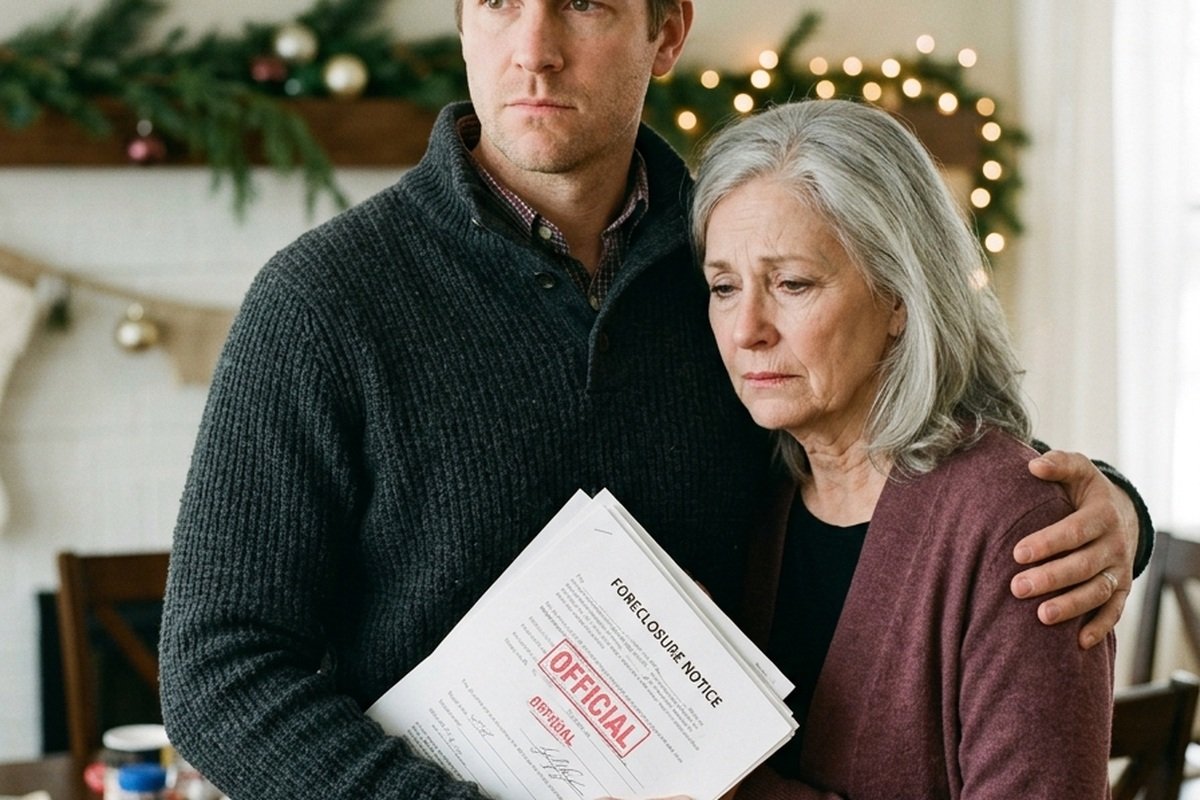
Inside Marcus's envelope were three signed promissory notes. During Dad's last year, Marcus had borrowed twelve thousand dollars from him to keep his landscaping business alive. The notes required repayment to the estate. Only two payments were recorded.
Marcus had changed the locks while owing the estate money.
He stared at the table and admitted that was the part he intended to explain later. He feared I would treat every decision he made as an attempt to cover the debt. By hiding it, he had made that suspicion inevitable.
The attorney separated the questions. First: Were the tools sold? Second: Were they moved after Dad's death? Third: What did Marcus owe? None of those answers could cancel the others.
Luis explained the confusing dates. Dad had allowed him to credit repair work toward the purchase before they wrote the final agreement. The "M repair" entry referred to the motor on the lathe, not Marcus. Luis produced text messages in which Dad described the arrangement and asked him to continue teaching two apprentices in the workshop.
Then the attorney found a problem Marcus and Luis had missed. Dad had signed the tool agreement, but Luis had not. The final page was blank under his name. Dad's messages showed intent, yet the incomplete document made ownership uncertain.
I could have challenged it. The tools were worth enough that my half might have covered several years of my daughter's school expenses. Marcus wanted to honor Dad's plan, perhaps because he felt guilty about his own debt. Luis wanted the tools but could not pay market value.
We agreed to a formal appraisal before deciding. An independent woodworker valued the collection at almost three times the handwritten price. He also confirmed that separating the machines would end the apprenticeship work Dad had built.
At the second probate meeting, I proposed a different agreement. Luis would receive the eighteen listed tools at a revised price halfway between Dad's figure and the appraisal. His documented repair work and previous payments would count. The remaining balance would be paid over three years to the estate. The apprenticeship equipment would stay together until payment was complete.
Marcus would sign a separate repayment schedule for his loans, secured by his share of the house sale. He would remain executor only if every inventory visit included either me, the attorney, or a neutral appraiser. We would each receive a key log, not an unrestricted key.
Marcus called the conditions humiliating. I told him humiliation was not the goal. Verifiable process was. He had been carrying Dad's care, his own struggling business, and an unfinished tool agreement. I understood why he wanted to control the room. Understanding did not make secret control acceptable.
He signed.
The cherry boards were still stacked behind the workbench. They were not listed in the sale. Marcus remembered Dad choosing them for my daughter and helped me wrap them against the rain. We did not pretend that one kind act repaired everything.
Six months later, the house sold. Marcus's first loan repayment came directly from his share. Luis made his scheduled payment and sent a photograph of two apprentices using the restored lathe. My daughter's bookshelf stands against her blue bedroom wall, uneven in one corner because Dad was the real woodworker, not me.
I kept the original brass key even though it opens nothing now. The new lock was not proof that Marcus planned to steal our inheritance. It was proof that grief, debt, and responsibility had convinced him secrecy was the same as protection.
Our settlement did not depend on deciding whether he was a good brother or a bad executor. It depended on making sure neither of us ever again had to infer the truth from a locked door.