# My Daughter Took My Bank Card After a Voice Message—But She Never Asked What I Heard
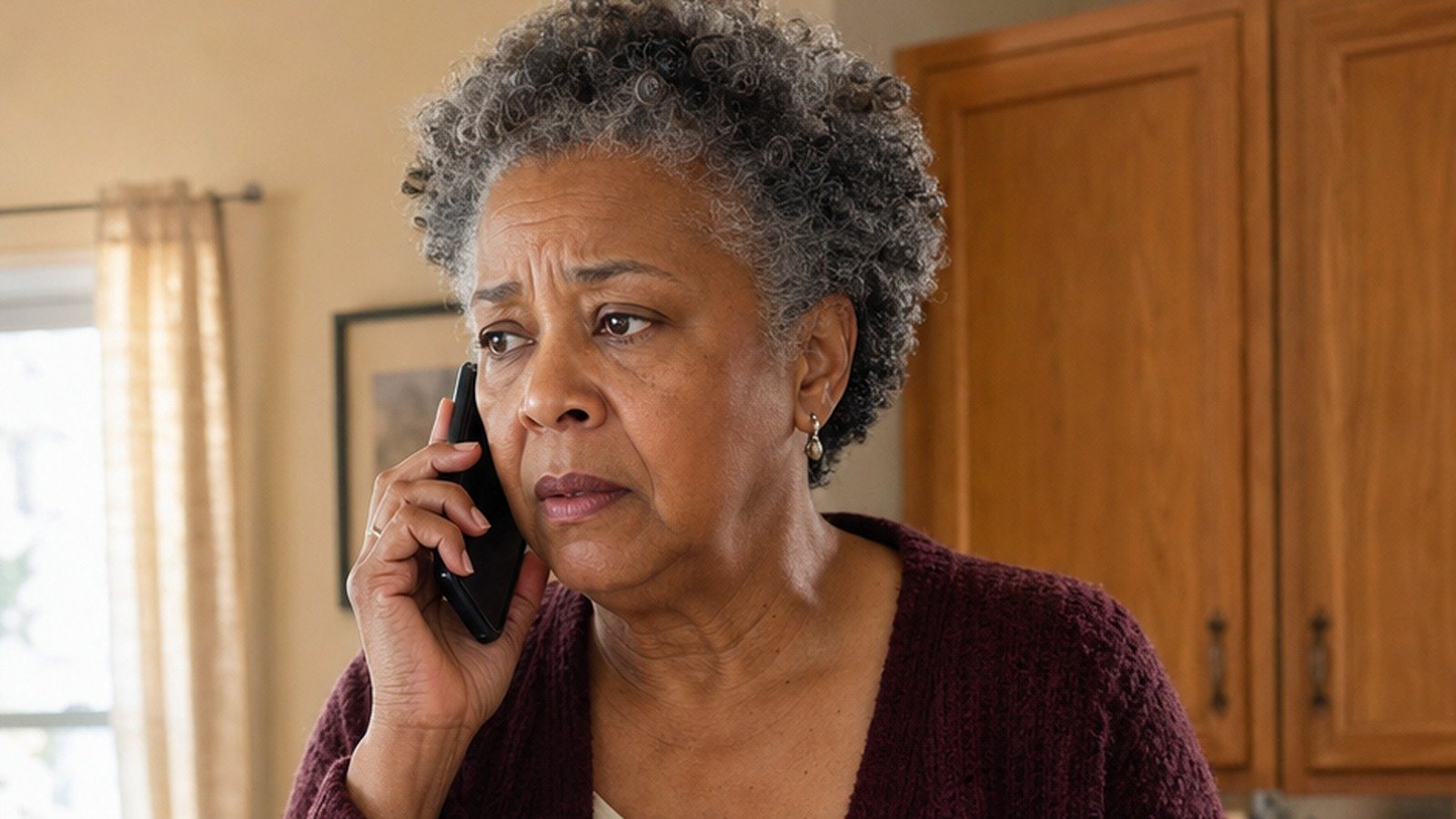
The voice on my phone sounded exactly like my grandson Noah when he was trying not to cry.
“Grandma, please don't tell Mom,” it said. “I made a mistake, and I need money before tonight.”
I was standing at my kitchen counter with one hand in a bowl of biscuit dough. For one sharp second, every sensible thought left me. The voice had Noah's rough morning tone, the little pause before the word please, even the way he swallowed the end of a sentence when he was ashamed.
Then he called me Grandma.
Noah had called me Evie since he was four. Dana had brought him to my house every Wednesday after preschool while she finished work, and he once decided that "Grandma" belonged to women with gray buns in cartoons. My late husband laughed and started calling me Evie too whenever Noah was in the room. The name became a small proof of shared history, the kind no stranger could manufacture from a public photograph or a copied voice.
That was why the wrong name reached me before the panic could take over. It did not make me fearless. It gave me one firm detail to hold while fear was trying to make every decision urgent. When he wanted something, he stretched it into three syllables. E-vi-ie. My daughter Dana hated it at first, but my late husband loved the joke, so the name stayed.
I wiped flour from my fingers and asked the caller what we ate on the Sunday the smoke alarm broke.
“What?”
“You heard me. What was on the table?”
The voice said pizza.
The answer was dumplings so overcooked they had fused into one pale island. Noah had laughed until milk came out his nose. We wrote “Sunday dumplings” on the inside cover of my red recipe notebook and made it our family challenge for any urgent call involving money.
I said I needed ten minutes and ended the call.
My hands were shaking even though my mind had become clear. I called Noah on the number saved in my phone. He answered from a noisy campus hallway, cheerful and confused. He was safe. He had not asked for money.
Then I called Dana.
I expected her to be frightened. I did not expect her fear to become authority so quickly.
She arrived at my condominium before the biscuits were out of the oven. She took my phone, searched the recent calls, and asked for my bank card. I told her I had sent nothing. She said, “Mom, please don't be stubborn right now,” in the same voice she used when her children were small and carrying open cups over the carpet.
I handed her the card because I wanted the panic to stop. That was my mistake.
Dana called the number on the back, changed my online password with me sitting beside her, and moved the card into her purse. Each action could have been temporary. Together, they felt like a door closing.
I told her about the question I had asked and the wrong answer I received. She nodded without really listening. “They can make voices sound like anyone now,” she said.
“I know. That is why I checked.”
“But you stayed on the line.”
“Long enough to test him.”
She looked at the flour on my sweater and the dough drying beneath my fingernails. I saw the conclusion settle behind her eyes: her mother had almost been fooled and was too proud to admit it.
That evening she called my son, Marcus, and my younger sister, Jo. I learned about those calls because Jo phoned me afterward and tried to sound casual. Before she suggested ignoring unknown numbers, she asked whether I remembered our lunch the previous Tuesday. I named the restaurant, her burnt toast, and the argument we had overheard at the next table. She laughed with relief, and the laugh made me angrier than the question. Dana's version of the morning had turned a successful verification into a test of whether I was still competent.
I replayed the voicemail alone. The copied voice was close enough to make my stomach tighten again, but the story around it was thin: no campus, no class, no reason for the deadline, no family phrase. I wrote those gaps beneath the challenge rules in the red notebook. I wanted a record of what I had noticed before other people's fear replaced it with what they imagined I had missed. By morning, three people had asked whether I was still safe living alone. Marcus offered to review my accounts. Jo suggested I stop answering unknown numbers. No one asked to see the red notebook.
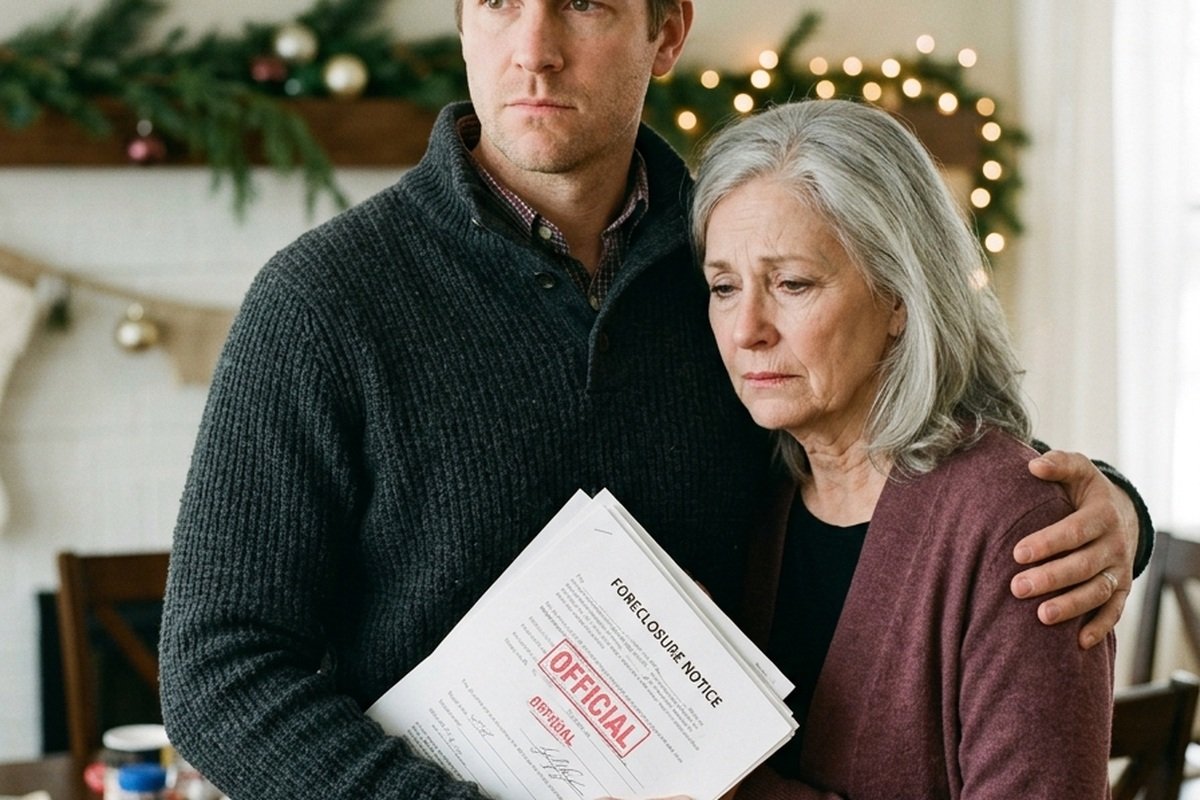
On Friday, Dana drove me to a meeting room at my credit union. She said we were updating emergency contacts. A woman I did not know was waiting with a folder. The folder included a list titled “Concerns About Independent Financial Management.”
My name was at the top.
Dana had spoken with a family-services consultant about getting authority to manage my money if I became unable to do it. She insisted it was only information. I read the bullet points anyway. One said I had responded to an urgent request for thousands of dollars. Another said I had difficulty recognizing a deceptive caller.
Both statements were wrong.
“Did you tell her I transferred money?” I asked.
Dana folded her hands. “You were about to.”
“Did you tell her that, or did you tell her what happened?”
The consultant excused herself. Before she left, I asked her to amend the intake note while all three of us were present. Dana looked startled, but the consultant opened the folder. We changed "responded to urgent request" to "received and independently verified deceptive request; no transfer made." We struck the line about failing to recognize the caller. I asked that no assessment continue from a summary I had not reviewed.
Dana said she had not realized the first phone conversation would become a formal description. The consultant answered that descriptions become decisions quickly when families are frightened. That sentence did what my anger had not: it made Dana look at the folder as something with consequences beyond one precautionary meeting. I appreciated that more than anything Dana said in the next five minutes.
My daughter cried. She said her friend's father had lost savings after a frightening phone call. She said she could not sleep after imagining me alone in the kitchen, hearing Noah beg for help. She said she was trying to protect the person who had protected everyone else for forty years.
Her fear was real. So was the betrayal.
“Protection is not permission to change the story,” I told her.
I asked for my bank card. She said it was at her house. I stood up and called Marcus to drive me there.
He arrived with Noah in the passenger seat. Noah carried the red recipe notebook, which Dana had taken from my counter along with a stack of mail. He opened the cover and read the words in my husband's blocky handwriting: Emergency family question: Sunday dumplings.
Below that were three rules we had written after a suspicious email years earlier. End the call. Contact the person through a known number. Never send money while someone is creating panic.
I had followed every one.
Noah looked at his mother. “Evie caught it before any of us knew.”
Dana said the voice had sounded so convincing on the recording that she could not believe anyone would stay calm. I asked why disbelief in the caller had turned into disbelief in me.
No one had a quick answer.
At Dana's house, she returned the card, my mail, and the notebook. Then she showed me something worse than the consultant's folder: a draft message to the family saying I would no longer handle my finances alone. She had not sent it yet. I asked her to delete it while I watched.
She did.
I did not cut Dana out of my accounts forever. That would have been another fear-driven decision made to prove a point. Instead, we spent Saturday writing an emergency agreement with limits clear enough that love could not blur them. We did it at my kitchen table, with Marcus on speaker and the red notebook open between us. Dana first proposed that any transfer above a fixed amount require her approval. I rejected the word approval. Marcus suggested an automatic alert instead, which warned them without moving authority away from me.
We argued over what would count as evidence of impairment. Dana wanted room to act if I seemed confused during a crisis. I wanted protection from one stressful moment becoming a permanent label. We agreed that immediate danger could justify pausing a single transfer through the bank, but any broader change required documented professional evidence, notice to me, and both children present. Dana wrote the limitation herself. The act of writing it forced each fear into a specific rule we could examine.
Dana may receive an alert if an unusually large transfer leaves my main account. She may not move money, keep my cards, change passwords, or describe me as impaired without evidence and a conversation that includes me. Marcus is the backup contact so no one child carries the power alone. Noah now has his own family challenge, one Dana does not know, and Dana has one I do not know.
We also made a rule for ourselves: when an urgent call comes, the first family sentence will be a question, not a command.
The following Sunday, everyone came for lunch. I served dumplings on purpose. They were not fused together this time. Noah raised one with his fork and asked whether improving the recipe ruined the security system.
“The answer is the memory,” I said, “not the menu.”
Dana apologized in front of the same people she had warned. Marcus corrected the family message thread so everyone knew no money had left my account and that I had used the challenge question before calling Noah directly. Jo apologized for testing my memory without saying why. Those corrections could not erase the meeting-room folder, but they repaired the record that had formed around me.
She did not say she was only trying to help. She said she had converted a possibility into a fact because fear made uncertainty unbearable. She admitted that taking my card had calmed her, not protected me.
That was the sentence I needed.
I still answer my phone. Sometimes I let unknown numbers go to voicemail. Sometimes I pick up. I am more cautious than I was, but caution and surrender are not the same thing.
The red notebook stays on my kitchen shelf, between the flour jar and the dented tea tin. Its recipes are stained, revised, and occasionally wrong. The inside cover is different. Those few lines are not about dumplings or passwords. They are about how a family can respond to danger without deciding that the oldest voice in the room no longer counts.